


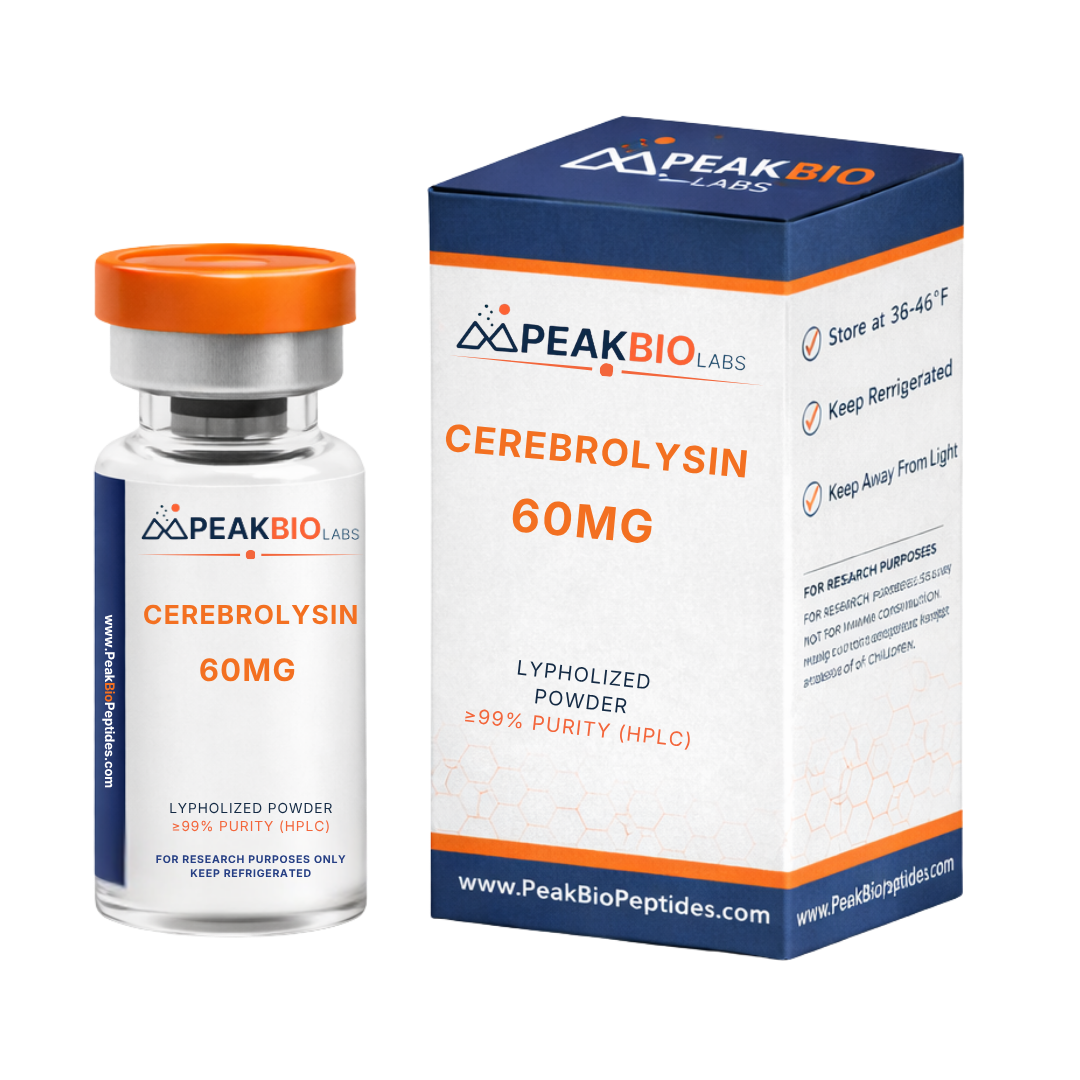
Description
Overview
Cerebrolysin is a peptide-based compound consisting of a mixture of low-molecular-weight neuropeptides and free amino acids derived from enzymatic breakdown of porcine brain proteins. It has been widely studied for its interaction with neurotrophic signaling pathways, including those associated with neuronal survival, differentiation, and synaptic plasticity.
In research settings, Cerebrolysin has been investigated for its ability to mimic the activity of endogenous neurotrophic factors such as BDNF (Brain-Derived Neurotrophic Factor) and NGF (Nerve Growth Factor). These properties make it a relevant compound in studies focused on neurobiology, cognitive processes, and cellular signaling within the central nervous system.
This compound is utilized in controlled laboratory and experimental models examining neuronal function, neuropeptide activity, and brain-related biochemical pathways.
Key Features:
Chemical Name: Neuropeptide complex (porcine brain-derived)
Molecular Composition: Mixture of low-molecular-weight peptides and amino acids
CAS Number: Not assigned (complex biological mixture)
Compound Class: Neuropeptide complex / biologically derived peptide mixture
Physical Form: Sterile solution (liquid)
Purity: Meets pharmaceutical-grade composition standards (manufacturer dependent)
Storage Conditions: Store at 36–46°F (2–8°C), protected from light. Do not freeze
Research References:
- Windisch, M. et al. (1998). Neurotrophic effects of Cerebrolysin in experimental models. Journal of Neural Transmission.
- Alvarez, X. A. et al. (2006). Cerebrolysin and neurotrophic factor-like activity in neurological research. CNS Drug Reviews.
- Rockenstein, E. et al. (2006). Effects of Cerebrolysin on
Important Notice:
This product is intended for research use only. It is not for human or veterinary use. It is not intended to diagnose, treat, cure, or prevent any disease. Use is restricted to qualified professionals in controlled laboratory environments.