


Description
Product Description:
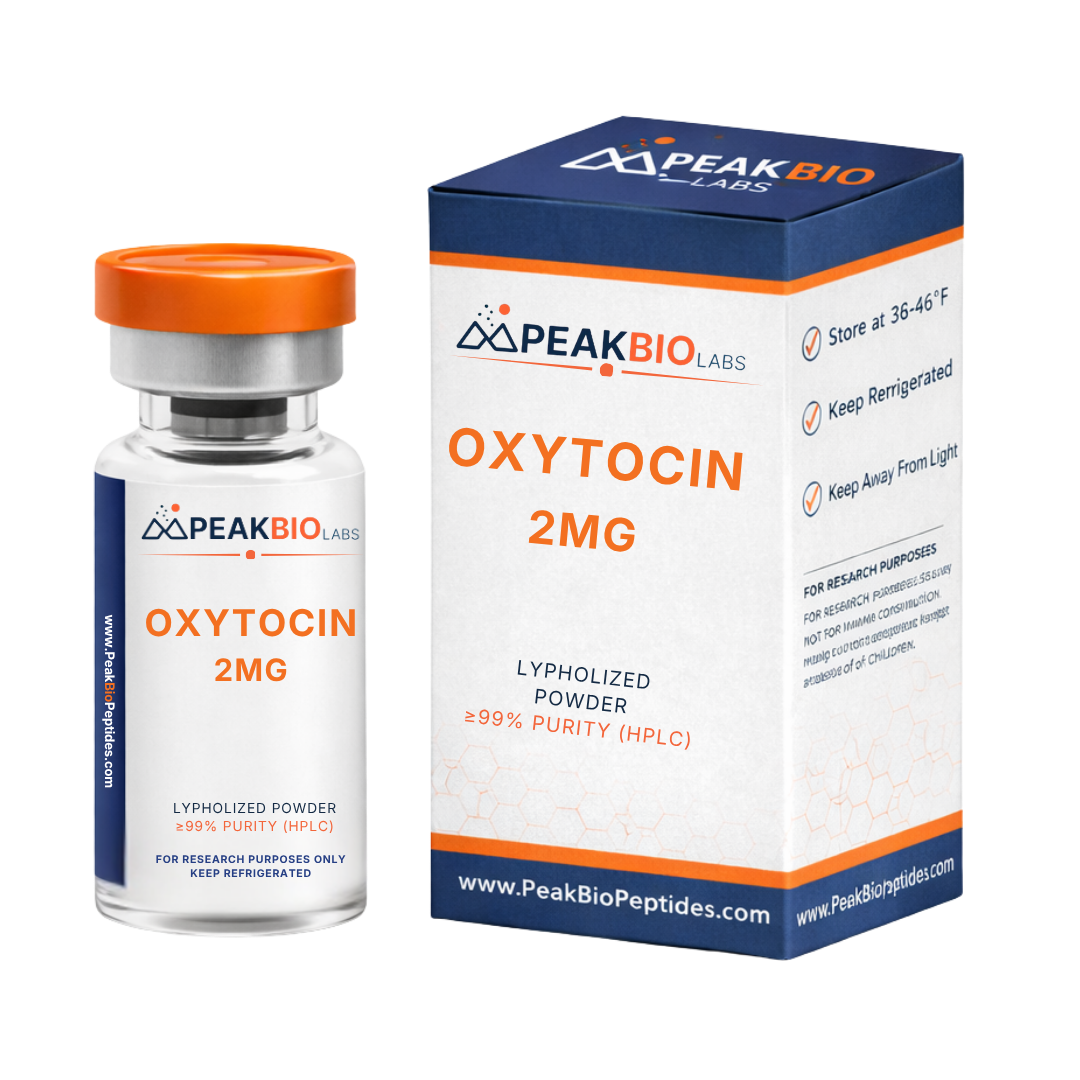
Oxytocin is a naturally occurring nonapeptide hormone and neuropeptide synthesized in the hypothalamus and released by the posterior pituitary. It has been widely studied in preclinical and experimental research for its interaction with oxytocin receptors (OXTR) and its role in neuroendocrine and signaling pathways.
In research environments, oxytocin has been investigated for its involvement in neurotransmission, hormone signaling, and central nervous system activity, making it a valuable compound for studies focused on social behavior pathways, receptor pharmacology, and peptide-mediated signaling mechanisms.
This peptide is commonly utilized in in vitro and laboratory-based research models examining neuropeptide activity, receptor binding, and endocrine system dynamics.
Key Features:
Chemical Name: Oxytocin
Molecular Formula: C₄₃H₆₆N₁₂O₁₂S₂
CAS Number: 50-56-6
Amino Acid Sequence: Cys-Tyr-Ile-Gln-Asn-Cys-Pro-Leu-Gly-NH₂ (disulfide bond between Cys¹ and Cys⁶)
Physical Form: Lyophilized powder
Compound Class: Synthetic peptide / neuropeptide hormone
Purity: ≥98% (HPLC)
Storage Conditions: Store at 36–46°F (2–8°C) in a dry, light-protected environment.
Common Research Pairings:
Oxytocin is sometimes studied alongside other compounds in neurobiological and endocrine research, including:
- Vasopressin (AVP) – investigated in comparative neuropeptide receptor studies
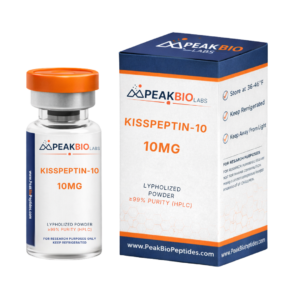
- Kisspeptin-10 – studied in neuroendocrine signaling pathways
- DSIP – explored in central nervous system and regulatory peptide research
- Cerebrolysin – examined in neurotrophic and neuronal signaling studies
These combinations are referenced strictly within controlled research environments to evaluate complementary biological mechanisms.
Research References:
- Lee, H. J. et al. (2009). Oxytocin: the great facilitator of life. Progress in Neurobiology.
- Gimpl, G. & Fahrenholz, F. (2001). The oxytocin receptor system: structure, function, and regulation. Physiological Reviews.
- Carter, C. S. (2014). Oxytocin pathways and their role in neurobiology and behavior research. Annual Review of Psychology.
(References provided for informational and research context only.)
Important Notice:
This product is intended for research use only. It is not for human or veterinary use. It is not intended to diagnose, treat, cure, or prevent any disease. Use is restricted to qualified professionals in controlled laboratory environments.